Categories
Introduction

What is the Great Refactoring?

Computer programmers talk about refactoring – the process of fixing deficient software code while preserving and ideally improving a product’s functionality.  

When the CTO tells the product team that it is time to refactor, we swear under our breath, but usually give the go ahead, albeit grudgingly.  We recognize that we need to fix our technical debts to ensure long term stability of the platform.  

Sometimes, you ignore the technical debt.  And then an edge case comes that you didn’t expect.  It crashes your software.  And you’re scrambling, in real time, to fix the product.

As Silicon Valley likes to say, software is eating the world.  Including all the good analogies.  

This is a blog about how the COVID-19 changes business.  Better writers than me will be able to tell the story of the terrible human tragedy of the pandemic, as well as the heroism of our medical professionals, first responders, and essential workers.  

Where I hope to share are observations on how companies and markets are evolving to deal with COVID-19 and what it might mean to the economy.  

I use the term refactoring because just as software developers rewrite code to deliver the same experience in a more robust way, companies will need to rework their businesses to deliver similar value propositions with much better processes.  

COVID-19 requires every business to refactor its business model in order to build greater resilience, adapt to evolving customer demands, and drive better results for all stakeholders.

It starts with huge changes in business processes.  Physical spaces need to change to support social distancing.  Supply chains will need more resiliency.  More manufacturing comes back on shore.  The health care system needs more spare capacity.  Essential front line workers will demand greater salaries.  More people work from home, changing the need for office space and reducing gasoline consumption.  

Consumer behavior will also change.  Live events and airline travel eventually come back – but how long will it take and in what form?  How fast will retailers and restaurants build their apps to support order online, pick up in store models?  Long standing consumer trends already under way probably accelerate.  Do more people cancel cable TV?   Will department stores ever recover?  Do people use more Instacart even after the virus fades, simply because it is more convenient?   

Hence, the critical assumptions driving business models need to change.  Key variables that swing a model – factors like adoption, density, throughput, inventory, or utilization – will need to be revised, likely with a good deal of uncertainty. 

Some businesses may do better, many will do worse.  And iffy business models that didn’t really work before COVID will be crushed after COVID.  

The simultaneous refactoring of every sector of the economy will have enormous financial impact and lead to a reset of asset prices and value distribution.  

As every aspiring business blog must have a catchy, tech friendly name, I call this coming period “The Great Refactoring.”  Recession and Depression were already taken.

There’s another underlying theme to The Great Refactoring, which is the need to address the massive societal debts incurred over the past 30 years – especially in terms of income inequality and climate change.

The majority of economic gains were going to the top companies, the top cities, and the top individuals.  In the United States, most people and some regions didn’t participate.  Even before the pandemic, Donald Trump, Bernie Sanders, the Tea Party and Occupy Wall Street made it clear that both left and right were unhappy with the way things were going. 

If it is to be successful, business refactoring will need to take into account all stakeholders because society won’t tolerate it if we survive the pandemic and end up in a world even more dominated by a few big companies, private equity firms, and billionaires. 

Business refactoring will also need to address climate change.  The economy eventually needs to be carbon neutral.  If we are going through all this refactoring without making tangible progress on sustainability, we may miss our last best chance to avoid tremendous damage to the planet.  

The coming months will be challenging – and as I said – others are better suited to write about the human toll, the potential medical treatments, and the real heroes on the front lines. 

I’ll be writing about how businesses adapt.  The hope is that we end up in a better place, with an economy that does everything it used to do, perhaps paying down at least some of the huge debts we have been building for decades.  
 

Categories
Marketing

Marketing in the Essential Economy

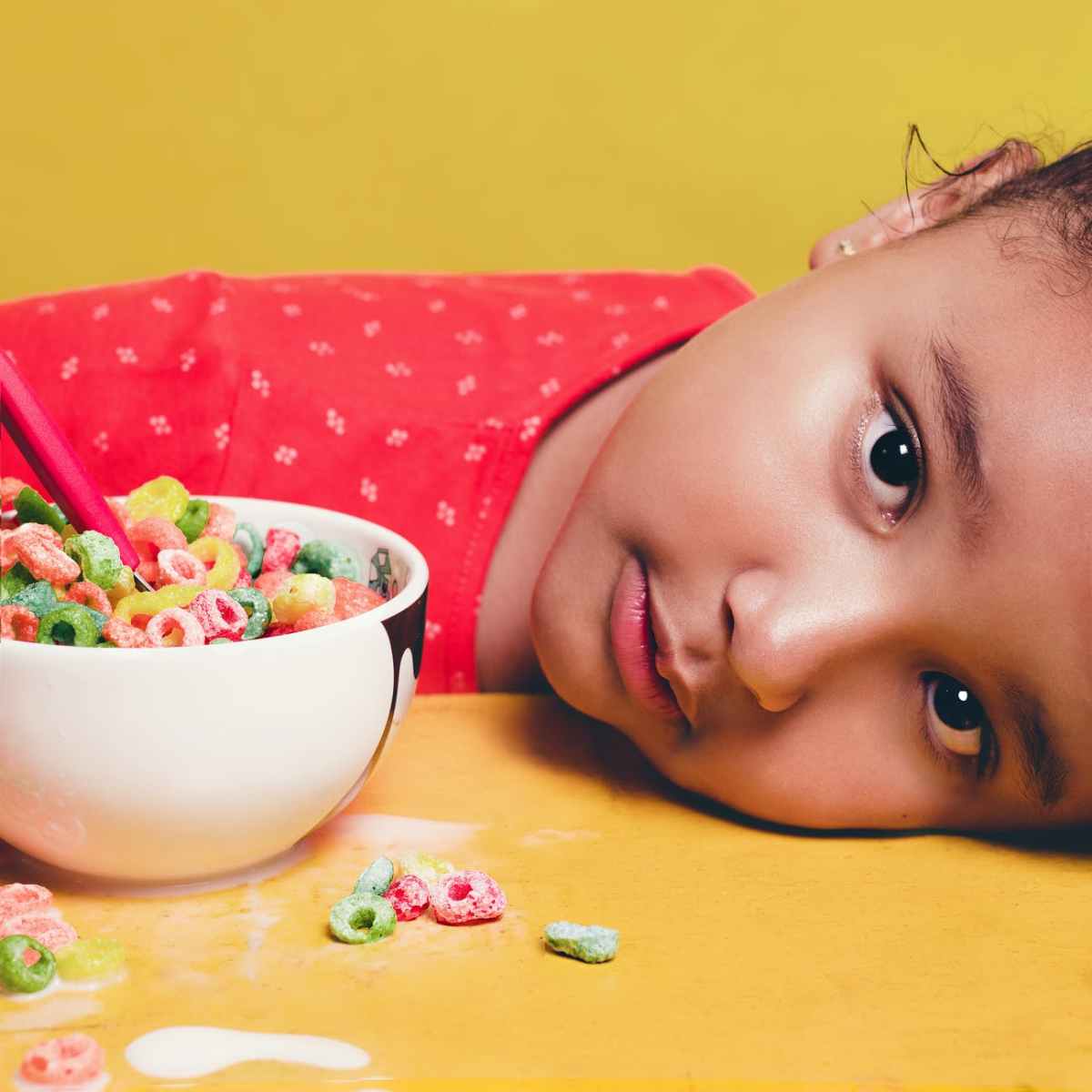
I never realized breakfast cereal was essential.  

But for a parent, a beloved cereal is crucial because it helps maintain normalcy for children.  It also gives kids a go-to, self-service option when a parent is too busy to feed them.

It took a great Kellog’s commercial that was uplifting and optimistic without being cheesy to remind me of why cereal is essential.  The combination of vivid imagery, upbeat music, and plenty of cute kids really nails it.    

Kellog’s recognizes the thousands of people it takes to transform corn into corn flakes in a really effective way.  But it also subtly reminds parents that it solves a real problem – what’s for breakfast.  Anyone who has children understands this is a real pain point.

This type of messaging is particularly important during the essential economy.  There’s a real temptation to slash the advertising budget, especially now.  That’s risky.  

Everyone has plenty of time at home to revisit all their purchasing habits.   Folks need to – because so many people are either out of work, making less money, or worried about their jobs.  There aren’t a lot of non essential products being bought right now. Capital One reported credit card volumes down 30% in the first half of April.

Even when the pandemic is over, many of those purchases might permanently leave the family budget.  Spending money on good advertising now, reminding people of why they bought a product in the first place, is probably good business.  


Categories
Business Models

Adjusting to the Pandemic Case

No one ever runs the sensitivity case for pandemics.  

Now that we’re here, I think anyone who operates in physical space should be very afraid to see what happens when they put the assumptions around the “Pandemic Case” into the model.   

All public spaces – restaurants, offices, theme parks, hotels, condos – drive revenues and profitability around density and throughput.  For years, we’ve typically optimized these environments to service the most people in the minimum amount of time. 

Indeed, business schools teach how to optimize a restaurant’s throughput as part of the core curriculum to demonstrate the importance of throughput to the business model. 

Now those models need to be refactored, and I suspect when more realistic assumptions go in around density and throughput, business cases will suffer.  

A big part of the problem is how we value assets and greenlight projects.  All projects have hurdle rates to get approved, tied to their sponsor’s cost of capital.  

Analysts plug assumptions into the model and say, here is “what you have to believe” to justify a valuation.  Since everyone wants the deal to get done, “What you have to believe” becomes what everyone believes.  Models are built, deals are done, projects are approved. 

Analysts everywhere can quickly see which variables can be tweaked to get to make the model work and generate enough profits to get approved.  Increasing utilization is always the killer way to increase a model’s return.      

For public space, utilization is measured from throughput.  If you can service 30 parties an hour, with a bit more work and a bit tighter tables, maybe you can service 36. Cash flow increased by 20%, which could be the difference between a 10% loss and a 10% profit.   

Even entrepreneurs, who may have an army of young analysts to vet their business plans, will fall prey to the same temptation.  People are optimistic and want to pursue their projects. 

What started as a theoretical exercise has real world consequences.  The net result is that we’ve been crowding more and more people into smaller and smaller spaces.  

COVID blows that up.  Physical spaces will need to be refactored, reducing throughput and density. Many assumptions may have been unsustainable pre-COVID.  Under social distancing – with 50% reduction of capacity and six feet distances – they definitely don’t work.  Moreover, even after the pandemic, consumers may not want to go back to crowded spaces for a long time.  

In some cases, restaurants will move to grab and go, increasing throughput.  Retailers who survive can shift to pickup to try and maintain sales per square foot.  

But it is really hard to make work.  And companies that make the transition will be in a very strong position to renegotiate with landlords, since not everyone will make it.  

At the end of the day, the rent might simply have to go down, leading to reduced asset prices.  

The market appears to be already reflecting this, as Retail REITs are down more than 40% YTD through April.  Some of that is probably bankruptcy risk given the current liquidity challenges, some of that is the continuing secular decline in retail, but I also suspect folks who understand this stuff better than I do are running their pandemic and post pandemic cases.

As a postscript to New Yorkers everywhere, the alternative to lower rents will be even more empty storefronts – a blight that was hurting New York City even before the pandemic.  

Getting the city up and running again will likely depend on rebalancing rent and space.